
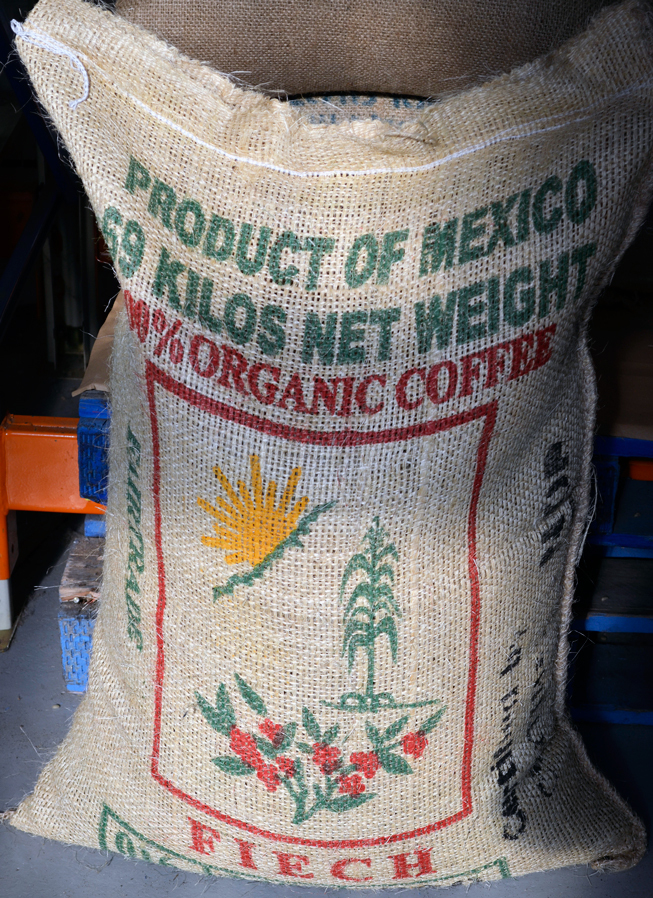
As we all know, coffee is one of the most popular beverages across the world. In fact, some surveys say that water is the only drink more popular than coffee. Suffice it to say then, that there must be a lot of coffee farming going on. So, is there much difference between organically farmed coffee and conventional farming?
When it comes to the natural food and drinks we consume, coffee is well and truly found among the dirty dozen. Not only are there many pesticides and herbicides sprayed onto coffee plants, but the fact also that coffee beans come from a thin-skinned berry, means that these chemicals are quite readily absorbed. Doesn’t sound too good already, does it? Let’s go to our list of why organic coffee beans are a better choice.
The Chemicals Used To Grow Coffee
I am pretty sure that if you had a choice of drinking water that had herbicides and insecticides sprayed into it, or clean water, you would choose the pure option. Even if it was just a little bit of the chemicals being added. For me, the same thing can be said for my morning long black. If I can choose between one made with coffee that has been doused in chemicals, or not, I’ll choose the pure one every time.
Now you might be thinking, “yeah but how many chemicals are being sprayed?”. It is a lot. Coffee is grown in warm regions, just as famous for mosquitoes and other insects as that is for coffee plantations. Rainforests have often been cleared to plant coffee, so you know there are loads of insects around. That sort of area is also where so many plants thrive, so on goes the herbicides, to keep the plantations weed-free.
Coffee is also grown in third-world countries predominantly. It is true that they choose the cheapest chemicals that work. Little thought is put into quality or health and safety on this issue by the farmers.
Lastly, all these chemicals along with copious amounts of fertilizers, are then washed down into the rivers and streams and out to sea. Bad right?

Organically grown coffee beans are often Fairtrade too. Farmers have less pressure to cut corners to make a profit. This helps save the buyer from drinking trace amounts of toxic chemicals (every day), while also reducing fertilizer runoff into the waterways. Just by drinking organic coffee, you will be making a difference in your long-term health and the health of the planet.
Chemicals Sprayed On Beans Post Harvest
All the good coffee plants are grown in countries that have hot humid conditions. Once harvested, they are washed and dried. But remember coffee is fresh food. Beans have the potential to deteriorate while drying, being stored in bulk, during bagging, shipping for weeks in containers on the ocean, passing through customs, then getting distributed to roasters. Here they are also stored before it is time for them to be roasted and again packaged and distributed to coffee shops or retail shelves.
Along this logistical chain, there are many opportunities for more chemicals to be sprayed onto coffee beans, added to processing water, or even sprayed into the packaging. Again, do you want to drink these chemicals?
Mostly the chemicals added during these points will be to help keep beans looking fresh, and not to stop them from deteriorating. Chemicals to prevent mold for example, and fungicides. Sprays can also be added to prevent borer insects from burrowing into the beans and laying their eggs. None of them are good for you.
For beans to be sold in most first-world countries as organic, none of these postproduction chemicals can be used. These are often worse for you than insecticides.
The Taste
Like any fresh produce, the organic option just tastes better. More effort has gone into creating good soil and a healthy environment for the plants to grow. Sure, some organic vegetables, fruits, or beans too can look a bit funkier. But when you put them in your mouth, you know it is worth it.
My favorite all-time coffee beans were a single-origin organic crop from Bolivia. Unavailable where I live now, unfortunately. The strength of flavor, the complexity, the richness, the fruitiness, the body. They were all superb. Many other organic coffees I drink these days also have big tasting highlights. You can’t beat it.
Especially when you buy specialty coffee, not chain store mass produced coffee, I can really taste the difference when it is organic.
Organic coffee beans often don’t cost any more, or just a little more per kilo. I know what I would rather be drinking.
